
‘take more exercise’ is our favourite New Year’s Resolution!

As 2019 hurtles towards us I thought it might be a useful time for some salutary words about New Year’s Resolutions.  I know.  You haven’t even put up the decorations yet!  But this save you some time, effort and hopefully a whole lot of guilt!

According to a Comm Res poll, ‘take more exercise’ is our favourite New Year’s Resolution.  With 38% of us setting this as a goal.  Followed by ‘lose weight’ (33 percent) and ‘eat more healthily’ (32 percent).  But from my experience in clinic, this is just the tip of the iceberg when it comes to setting physical goals.

I see patients spending hours in the gym trying to get the perfect shaped backside or six pack.  And highly stressed professionals self-medicating with excessive exercise.  They cycle or run to work, put in a full and often stressful day, and then cycle or run home.  They sign up to increasingly testing challenges – running further and in more and more difficult conditions or trekking and climbing all over the world.

But if the goal is unrealistic or the lifestyle unsustainable then I’m afraid to say that the chances of something physically ‘giving way’ eventually is high.

So, before you decide on a 2019 resolution to emulate the figure or physique of your favourite Instagrammer (thank goodness for growing up pre social media!) or take to Facebook to broadcast how many kilos you plan to shift (or lift!) by the end of the year, take a moment to consider whether some ‘alternative’ resolutions might be called for.

I’m not saying that we shouldn’t aspire to move more and eat more healthily but, from a professional perspective, these are some resolutions I’d recommend incorporating:

Positive Mental Attitude

We all do it – even if we’ve ticked 20 items off our ‘to do’ list we focus on the tasks that remain outstanding. And it’s often the things that went wrong that stay with us rather than our numerous accomplishments.  Which can lead to a rather negative mindset.  To switch this thinking up, take a moment at the end of each day to write down three things that have gone well.  .

Be kind to others

“If you want others to be happy, practice compassion,” says the Dalai Lama. And kindness towards others leads to enhanced well-being. For inspiration, the Random Acts of Kindness Foundation has a list of kindness ideas to get you started.

Be mindful

 I’ve blogged about this before.   Mindfulness is simply about paying more attention to the present moment – to your own thoughts and feelings, and to the world around you.  Something that’s easy to overlook in our fast-paced lives with so many calls on our time and distractions  – particularly electronic ones.  But mindfulness can have huge benefits for both physical and mental wellbeing.

For those of you planning to embark on more exercise in the New Year, why not consider a New Year appointment to iron out any niggles that might affect your success?


With a few short weeks until Christmas the build-up, and all that it entails, is fully underway. The festive season offers a wonderful opportunity to connect with family and friends, and we all love it – really! The flip side is that it can all be pretty stressful. The prospect of sitting down with a dozen or so relatives, aged from 9 months to 90, for a slap-up Christmas dinner (that you’ve spent hours cooking) can get the most laid-back among us clenching their jaw and grinding their teeth. If this sounds like you, then read on.

Do you ever experience, headaches, facial pain, earache, popping, grating or clicking noises when opening your mouth or chewing, coupled with jaw, neck or shoulder pain? Do you struggle to open your mouth wide or does your jaw lock? If so, you could be suffering from pain in your TMJ or temporomandibular joint.


TMJ and TMD explained

In case you’re wondering (and most people haven’t a clue), the TMJ connects the lower jaw (mandible) to the skull (temporal bone) in front of the ear. Disorder of the TMJ (aka TMD) affects that joint and the muscles involved in chewing, manifesting itself in the symptoms listed above. There’s no definitive cause but TMD can be brought on by injury, over-clenching the jaw and teeth or unknowingly grinding your teeth (bruxism) causing wear and tear in the inside jaw. Stress and unexpressed anger are often behind such behaviours.

Untreated TMD can significantly affect a sufferer’s quality of life, and not in a good way. There are a few things you can do at home to alleviate the discomfort, such as:

  • Eating soft foods
  • Avoiding excessive jaw action (ie chewing gum, biting nails and clenching)
  • Applying a warm or cold flannel to the affected area several times a day for 10-20 minutes
  • Massaging the painful muscles
  • Not resting your chin on your hand


The power of osteopathy

If symptoms continue, do seek medical advice. Your dentist can advise if an uneven bite is the cause. Osteopathy can also be effective in addressing the local TMJ pain using osteopathic techniques combined with Low Level Laser Therapy but, importantly, looking at the bigger musculoskeletal picture, which involves the relationship between the jaw, neck and upper back. I receive referrals from dentists whose patients suffer with TMD and one patient who came to see me with extreme tiredness and TMJ pain said:

‘I was first treated by Robin Kiashek two years ago for headaches and tiredness. Robin used Cranial Osteopathy to successfully alleviate these symptoms. I have been seeing Robin periodically since that time and have found his holistic, sympathetic approach to treatment to be highly beneficial. He diagnosed TMJ (temporomandibular joint – a joint hinging the upper and lower jaw bones) dysfunction as a principal cause of my symptoms. This was confirmed by a dentist and further by a consultant neurologist. Robin has been able to mitigate the pain, relieve the symptoms and hasten the recovery. I would highly recommend Robin based on my experience to anyone needing osteopathic treatment.’ (JS, a patient).

If you’re a TMD sufferer who wants to alleviate painful symptoms, then why not request an appointment?


We all get angry from time to time. After all, anger is just another human emotion that can arise as a result of work, family or money problems coupled with overwhelming demands on our time or emotions.  Into this potentially explosive mix, you can add in a handful of genetic and family upbringing factors that make it difficult for people to manage their emotions properly.  

Of course, anger can be extremely helpful, enabling us to defend ourselves in dangerous situations as part of our fight or flight system. But on a day-to-day level, that’s not always appropriate. What we do with our anger can have a huge impact – often negative – on our health, wellbeing, relationships and careers.  

According to research by University College London, a brief outburst of temper can cause surges in blood pressure and heart rate, increasing the risk of a heart attack by 19 per cent. And beware arguing with your partner! Scientists at Ohio State University found that a 30-minute argument can slow down healing rates, raising the level of cytokines (immune molecules that trigger inflammation), and thereby the probability of developing arthritis, diabetes, heart disease and cancer. 

Long-lasting and simmering anger, including subtler forms such as sarcasm and impatience, is no better. A study in Michigan, USA, found that women who suppressed anger while arguing with their partners had twice the risk of dying from conditions such as heart attack, stroke or cancer. Even recalling such stressful incidents several days later can cause blood pressure to rise, says the International Journal Of Psychophysiology.


The mind-body link

The inescapable fact is that our emotional and physical health are inextricably linked, with strong emotions such as anger often bringing about physical changes to the body, including: 

  • Muscle tension 
  • Heart palpitations or tightening of the chest 
  • Increased blood pressure 
  • Risk of stroke/heart attack 
  • Headaches/migraines 
  • Fatigue 
  • Sweating 
  • Jaw clenching
  • Changes in appetite 
  • Poor concentration 
  • Abdominal discomfort  
  • Depression 
  • Digestive and bowel problems 
  • Skin problems 
  • Auto-immune diseases including rheumatoid arthritis  

Most people will experience episodes of anger which can be managed without a damaging impact on their lives. Learning healthy ways to recognise, express and deal with anger is vital for maintaining optimum mental and physical health.


Top tips for managing anger effectively: 

Remember, you can’t always control situations that make you angry, but you can choose how to respond:  

  • Take time out – In situations where an angry response is a tempting, count to 10, breathe deeply and walk away. Give yourself time to calm down and, if necessary, express the anger in a way that doesn’t hurt yourself or others by, for example, punching a pillow or writing an angry letter (that you don’t send). Mindfulness techniques can also be useful. 
  • Look after yourself – Sleeping and eating well will help you handle situations in a calmer and more measured way while regular exercise can let out angry feelings and improve your mood.  
  • Talk – confide in someone who is not involved, such as a friend, family member, counsellor, your GP or the Samaritans.  

 People often come to me complaining of muscle tension, headaches or backache. When I ask them more about their lifestyle, it can become clear that their ache or pain is a physical manifestation of anger, and that dealing with the root cause will help them to feel better. If this sounds familiar then please contact me and we can have a further discussion at a consultation. 


As we head into Migraine Awareness Week (3rd to 8th September), here are a few facts about this disabling condition that might surprise you:

  • Migraine is the world’s third most common illness, suffered by one in seven people across the globe and eight million people here in the UK;
  • Migraines affect twice as many women as men and can also strike at young children;
  • Most sufferers have an average of 13 attacks a year, lasting between four hours and three days;
  • The World Health Organisation (WHO) categorises chronic migraines as more disabling than blindness, paraplegia, angina or rheumatoid arthritis;
  • The illness costs the UK around £2.25 billion per annum, taking into account the cost of medication and the 25 million days of sick leave!

(Sources: Migraine Trust/ Migraine Action)

 What is migraine?

Migraine is, therefore, an absolute headache in every sense of the word. But more than that, it’s actually a complex neurological condition that can affect the whole body. Usually (but not always) there’s a painful headache preceded or accompanied by disturbed vision or aura. This can present with, for example, flashing lights, blind spots, zig zag patterns, pins and needles, numb limbs, confusion and difficulty in speaking. Not all sufferers experience aura, and other common symptoms include dizziness, nausea, vomiting, sensitivity to light, sound and smells. Attacks can vary in frequency and severity with an often enormous impact on someone’s work, family and social lives.

There is no known cause or, sadly, any cures currently on the horizon. What we do know is that most sufferers have a genetic predisposition and that their migraines can be triggered by one or more factors – stress, alcohol intake, the environment, hormones (women) and lack of food or sleep. It’s no longer helpful just to blame chocolate, cheese and red wine, and the best way of pinpointing your particular triggers is to keep a daily ‘migraine diary’.

Professor Peter Goadsby, Professor of Neurology, King’s College London, describes migraine as “an inherited tendency to have headaches with sensory disturbance. It’s an instability in the way the brain deals with incoming sensory information, and that instability can become influenced by physiological changes like sleep, exercise and hunger”.  (Source: Migraine Trust).

Best treatments for migraine

Most treatments focus on controlling the pain, severity and frequency of attacks via the use of medication.

Having said that, complementary therapies such as Western medical acupuncture – piercing the body with fine, sterile needles at certain points to regulate pain – has had some success in reducing the need for medication and the frequency of attacks..1 This approach has been endorsed by The National Institute for Health and Care Excellence (NICE), particularly for patients who do not respond to certain medications.

Osteopathy is also popular because it helps relieve symptoms whilst understanding and addressing the underlying, sometimes multifactorial, factors involved. The treatment utilises a variety of osteopathic techniques.

Kind words from migraine sufferers

I’ve seen many patients struggling with migraines.  One said:

“I had been suffering from headaches since childhood. Over the years, these had become more frequent and debilitating to the point where it was most unusual for me to have a day free of headache. Headaches became migraines and I felt ‘better’ when the migraines had retreated to the state of ‘mere’ headaches.

I was recommended to Robin who set about releasing the tension in my upper back and neck through a series of manipulations and cranial massage. He also gave me some shoulder and neck exercises to do at home. I was asked to keep a ‘headache diary’ showing severity and frequency in order to plot any improvements.

After around 5 or 6 sessions the headaches became less severe and didn’t turn so readily into migraines. About 8 weeks into treatment I had a major headache which, when it subsided, disappeared completely. Thereafter I began to get not only headache-free days, but headache-free weeks. The cycle had been broken.”

So if you’re suffering from migraines why not book an appointment with me to see what can be done to alleviate the symptoms and cause of your migraines.


1 Migraine Trust/Vickers A. et al. Acupuncture for chronic headache in primary care: large, pragmatic, randomised trial BMJ 2004;328;744-9.

Cold Weather and Frozen Shoulder

There’s no official correlation between cold weather and the debilitating condition that is a frozen shoulder (although the body will generally tighten when the temperature drops which can adversely impact injury).  But with five percent of adults developing this problem (which can take up to four years to resolve without treatment) at some point in their lives – one of the coldest month of the year seems like a good time to discuss it!

What is Frozen Shoulder

A frozen shoulder, or Adhesive Capsulitis, occurs when adhesions develop around the capsule of the shoulder or glenohumeral joint, thereby restricting arm movements.  In fact, the shoulder joint only accounts for half the movement in the arm; the remaining half is attributed to the shoulder complex, comprising of movement of the shoulder blade (scapula) and clavicle.  Restrictions in the shoulder complex can be a major contributing factor in a frozen shoulder.

Frozen Shoulder Causes

Risk of a frozen shoulder is thought to be increased for people with diabetes, as well as for those recovering from injury or surgery, like a mastectomy, where movement in the shoulder has been restricted. Stress and lifestyle factors are also thought to be potential causes.  The main symptoms are a dull, achy, pain and stiffness in the shoulder joint, which can make the arm and shoulder painful and difficult to move.  Depending on the severity, this debilitating condition can have a hugely negative effect on a sufferer’s life, often obstructing sporting activities, impacting sleep and sometimes even making doing up a bra or getting the arm in and out of a sleeve extremely painful.  In fact, up to 15 per cent of patients are left with a permanent inability to raise their arm fully.

Osteopath for Frozen Shoulder

Traditional pain relief can sometimes help with symptoms and steroid injections and surgery are also available.  But if, despite these measures, you’re still suffering with the pain and stiffness of a frozen shoulder, then maybe it’s time to consider visiting an osteopath?

Assessment of the shoulder complex (glenohumeral joint and upper back mechanics) and use of allied therapies (Western Acupuncture and Low Level Laser Therapy) can be used to achieve an effective resolution to pain and stiffness.  And the prescription of ongoing exercises and also lifestyle suggestions, can be hugely beneficial to improving overall health. As this client of ours can testify:

Frozen Shoulder Treatment in London

“I had a painful shoulder for about a month before I saw Robin. I had a total of 5 treatments on my ‘frozen shoulder’, which started to improve almost immediately. It has now cleared up. I found Robin very gentle and knowledgeable. He obviously knows exactly what he is doing and I trusted him implicitly. I would definitely recommend him to any of my friends.” SB, 39

So, if you’re a frozen shoulder sufferer don’t let this debilitating condition continue to haunt you through the warmer months.

Why not contact us to discuss your condition in more detail and make an appointment?

Read more about Osteopathy for Frozen Shoulder

Is the Plank Really Good for Core Strength?

Being able to hold a plank has long been considered a measure of fitness and a test of core muscle strength. But, is it as effective as we think? And what about those of us who can’t manage a plank? What are the other options for building core strength?

For those not aware, a plank is an exercise where you lie flat on the floor, then raise yourself onto your tiptoes and elbows, keeping your back flat and your forearms on the floor so you look a bit like a coffee table. So, what are the benefits?

Benefits of Planking

  • Tones mid-section:  planking helps to build your inner core muscles. As they become stronger your stomach will tighten for that six-pack look
  • Increases flexibility:  planking strengthens the muscles and increases flexibility in your shoulders, abdominals and legs
  • Improves balance and posture: a correct plank position will help with balance enabling you to sit and/or stand up straighter with better posture
  • Improves mood: almost every exercise has the potential to improve your mood. Planks help stretch and relax muscles that can become stiff, therefore releasing tension and lifting your spirits.

The Problem with Planking:

But planking isn’t a functional movement. That is, it’s not a movement based on real-world situational biomechanics. Instead, a plank requires you to remain still for a specified amount of time. Which can cause pain and discomfort, especially in those with weak or inflamed joints and muscles.

 Alternatives to Planking for Core Strength

So, what if you can’t plank? What else is there that could achieve similar results? Well, that is where Active or Dynamic Sitting comes in.

Active Sitting: A Smarter Way to Engage Your Core

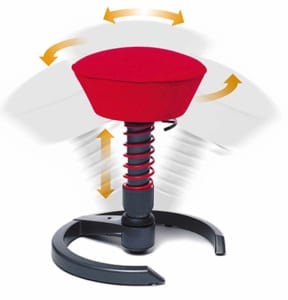
Swopper Chair

An example of a ‘Swopper Chair’, similar to the one that I currently use and recommend.

Active Sitting occurs when your seating allows or encourages you to move. One of the earliest forms of active sitting is actually the rocking chair which allows forward and backward swaying motion.  But there are a variety of specially designed seats on the market to improve postural health and the abdominal muscles, including the ‘Swopper Chair’ – which I use myself, and highly recommend. Some of the models available will continually adjust and follow your body’s movements to engage your core and help you to maintain better posture.

The concept of Active Sitting is fast gaining recognition, particularly among those whose work involves prolonged sitting.  So, whether you have a condition that prevents planking or your day job keeps you on your bottom all day, Active Sitting is well worth considering as an alternative way to increase stability and strengthen core muscles.

But, if you should be experiencing pain or discomfort in your back or other muscles that prevents you from exercising (planks or otherwise) then we may be able to assist so please do get in touch to discuss your requirements in more detail.

Have you noticed how your cat and dog always have a good stretch when they wake from a nap?

Well maybe we should follow suit because when we sleep we lie in the same position for an extended period and this can lead to stiff muscles that become tight through the lack of movement.  So if we were to act like the animals and start the day with a stretch it would really help to:


  • Loosen and realign muscles
  • Iron out any kinks from sleeping in an odd position
  • Signal the brain that it’s time to get up and start using those muscles again
  • Get the circulation going.

And since we start the day all warm after our night under the duvet, the body is already at a temperature ideal for effective stretching.

Stretch it out

Stretching is in fact one of the best ways to keep your muscles healthy, here’s how:

  • Regular stretching strengthens muscles and increases flexibility
  • Increased flexibility in turn benefits joints
  • Both of which will give a better range of motion for day-to-day activities

In fact, stretching daily as a stand-alone activity can boost muscle and joint health, decrease the risk of day-to-day injury by improving flexibility, reduce tension and improve posture.

And while the ‘morning stretch’ so readily employed by our furry friends is a great way to wake up and get going, a more targeted stretching routine for specific parts of the body will have the greatest benefit to you muscle and joints.

Boost your energy

Stretching at work can also help to avoid repetitive strain injuries that are caused by many office-based duties, as well as boost your energy! Simple overhead arm stretches or leg raises under the desk are a great way to start, but don’t be afraid to get up and do a few squats to get your circulation going too.  Here’s my five tips to get a better stretch:


  1. Make sure to stretch evenly on both sides of the body
  2. Hold each stretch for about 30 seconds
  3. Never bounce while you stretch
  4. Focus on the different muscle groups – shoulders, neck, calves, thighs, hips, arms and the lower back.
  5. Breathe! Exhale while going into a stretch and then hold it as you inhale.

And if you are still feeling the strain, and are starting to feel a little stiffness in your neck, arms or lower body then why not consider a course of osteopathy to aid the release of this tension and provide relief from bad posture and tight muscles?

Get in touch to find out more

Headaches: Causes, Types and How Osteopathy Can Help

Most of us have experienced headaches at some point in our lives.  They can be painful, debilitating, annoying and worrying.  But they also come in many forms.  So, what are the causes and how can we relieve the symptoms?

Understanding Headaches

Headaches are not always as straightforward as you may think, in fact there are over 150 different types – each with its own list of causes and symptoms.  So, how can you possibly know how to deal with yours?

What Type of Headache Do I Have?

It would be impossible to list all 150 here, but to get you started with identifying the type of headache you may be experiencing, here are some of the most common:

Tension Headaches

Most common among adults and teens. A tension headache causes mild to moderate pain and can come and go over time, usually with no other symptoms.

Migraine Headaches

A migraine is usually accompanied by intense headaches, often described as a throbbing pain which can last from 4 hours to 3 days, and usually occur between 1-4 times per month. Alongside the headache, sufferers can experience other symptoms such as:

  • sensitivity to light, noise or smell
  • nausea and vomiting
  • loss of appetite
  • visual disturbance prior to onset of headache

Cluster headaches:

These are 3-4 times more likely to affect men than women, can feel like an intense burning pain behind or around the eye or on one side of the head.  Whilst it is the least common type of headache, it can be the most intense and severe.  Cluster headaches leave sufferers unable to follow their usual daily routine.  They cannot lie down or keep still and attacks are often accompanied by eye redness and copious watering and a very runny nose.

So called because they tend to occur in groups, cluster headaches come in many forms:

  • Clusters of headaches 1-3 times per day
  • A prolonged period of headaches lasting 2 weeks to 3 months
  • Headache attacks lasting 15 minutes to 3 hours
  • No headaches at all for months or years, but then they return later.

Sinus headaches:

Sufferers feel a deep constant pain in cheekbones, head and nose. This type of headache can be associated with a cold or other seasonal medical complaint, such as hay-fever.
Hormone headaches: Women often experience headaches when changes in their hormone levels occur, usually during periods, pregnancy or menopause.

What causes headaches?

Headaches can incredibly debilitating, so what causes the pain?

Headaches come from a mix of signals sent between the brain and nearby nerves.  These nerves, blood vessels and head muscles switch on and thus send signals to the brain to tell it, it is in pain. Unfortunately, there has been no clear factor to determine why these signals turn on in the first place.

Headaches can be triggered by a variety of things:

  • An illness – such as a cold, fever or virus;
  • A condition such as sinusitis, an ear or throat infection;
  • An injury such as a blow to the head;
  • Emotional stress or depression;
  • A change in sleep patterns;
  • Skipping meals;
  • Taking too much medication;
  • Too much physical activity;
  • Changes in the environment around you – i.e. second-hand smoke, strong smells, noise, lighting and changes in weather;
  • Hereditary – migraines especially, tends to be passed down through generations;
  • In rare cases, TIAs (Transient Ischaemic Attack) etc. which would need a referral to either a GP or A&E.

How Can I Ease My Headache Symptoms?

In addition to preventative measures such as avoiding the stressors listed above or perhaps eliminating caffeine, many people turn to over the counter medication, relaxation techniques, having a lie down or taking a relaxing bath.

But what other approaches are there that could help relieve your symptoms?

The short answer is Osteopathy – which offers the possibility of relieving the symptoms whilst understanding and addressing the underlying, sometimes multifactorial, factors

A combination of manual therapies such as osteopathy and tailored exercise programmes to suit you as an individual, could lead to long-term control of some types of headaches.

Recent research has shown that manual manipulation treatments such as those performed by an Osteopath, were as effective as prescribed drugs for providing relief from short term chronic headaches, but with fewer side effects than medication.

How Osteopathy Can Help with Headaches

Initially, a detailed case history and clinical examination of the patient will be done to eliminate underlying pathology, which may require referral for more specialist assessment.

What to Expect from Osteopathic Treatment

Osteopaths may use a variety of techniques, all of which could help ease headaches. These could include:

  • Gentle structural osteopathic techniques, including manipulation
  • Gentle soft tissue massage
  • Lymphatic drainage techniques
  • Trigger point therapy
  • Western Acupuncture
  • Tailored exercise and stretching programmes to include in your daily routine
  • Low Level Laser Therapy, when appropriate.

If you would like to discuss headaches which you might be experiencing, Robin would be happy to talk to you with no further obligation.

In the meantime, click here to read testimonials from some of my clients who have found our techniques helpful in easing their symptoms.

Is yoga good for back pain?

As a practising osteopath in London I see a number of clients each week that experience back pain, in varying forms and severities. For these clients I am able to provide a comprehensive treatment plan and we work together over a number of sessions to treat the problem. In addition to treatment provided by myself I also look to work with clients on what lifestyle changes can be made and other things that can be introduced to try to prevent problems such as back pain recurring again in the future. I was therefore interested to read about a recent study carried out in the US into yoga and the positive benefits it can have on long-term back pain.

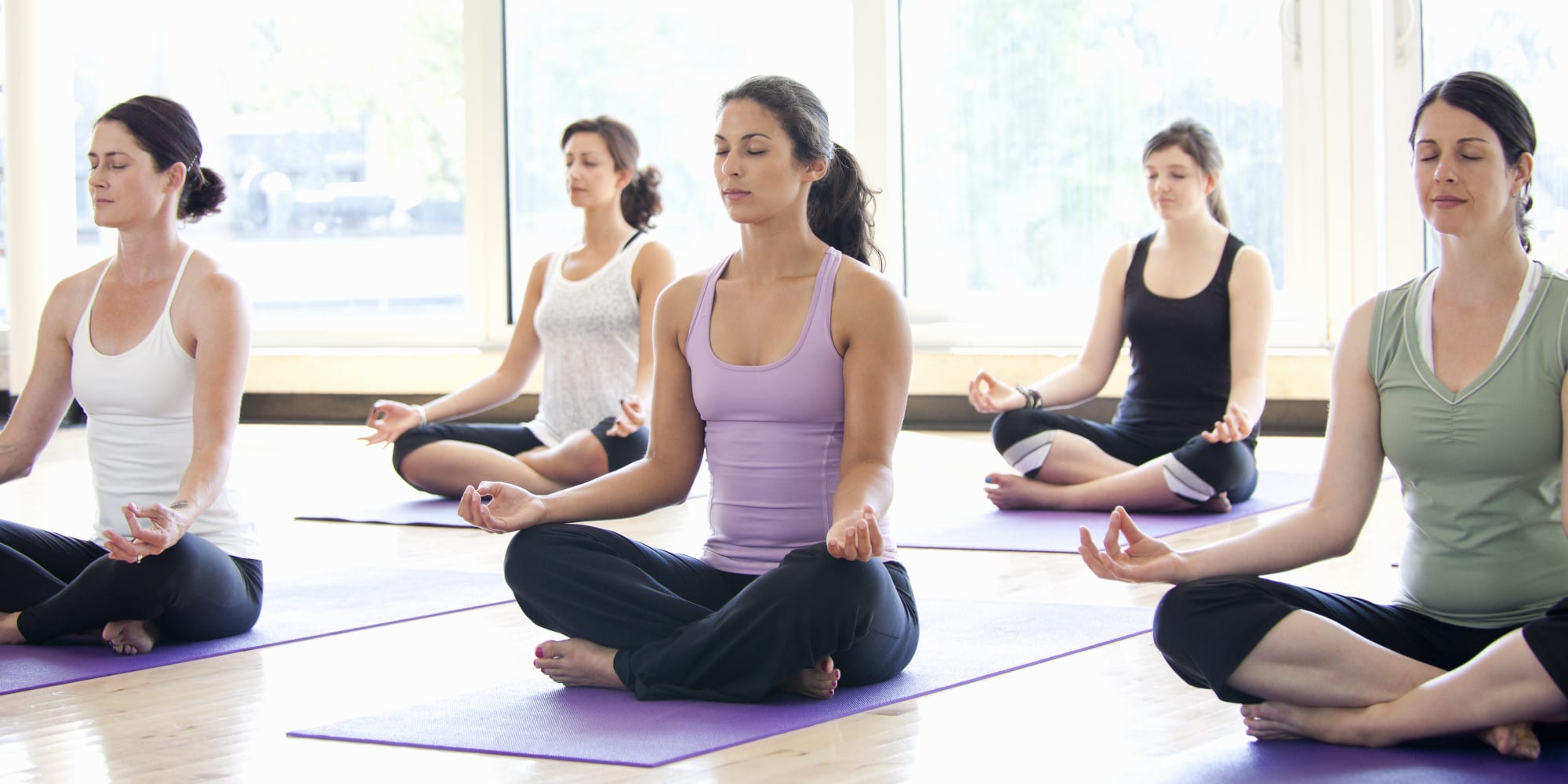
Women practicing yoga in a class

A recent study into yoga and back pain

The study analysed more than 1000 men and women who were experiencing long-term lower back pain. It found that those patients who practised yoga were most likely to improve their mobility and reduce their pain levels. These patients were all taught yoga-like exercises by experienced and qualified professionals.

Back Pain and Yoga

Lead author Susan Wieland, from the University of Maryland School of Medicine, said: “Our findings suggest that yoga exercise may lead to reducing the symptoms of lower back pain by a small amount, but the results have come from studies with a short follow-up.”

Back pain is the cause of more disability than any other condition and affects nearly one in 10 people, becoming more common with age.*

Back pain affects nearly one in 10 people in the UK and becomes more common with age. Very often the cause of long-term back pain is unknown, which can be very frustrating for the sufferer. Perhaps putting down the pain-killers and picking up a yoga mat could help to relieve some of the pain.

Following on from this initial research, the scientists involved in the study are also now calling for longer-term studies to really understand the full benefits for patients.

So what is Yoga?

Yoga, stemming from the Sanskrit work ‘yuj’ to yoke or join, yoga aims to “coordinate the breath, mind and body to encourage balance, both internally and externally,” according to the British Wheel of Yoga. Yoga is a practical philosophy and a system of asanas (postures), promoting physical, mental and spiritual wellbeing. It is an effective antidote to the stresses of modern lifestyle and encourages a fit and supple body. Yoga is a ‘science of the mind’ and philosophical system that originated in India thousands of years ago.

A typical yoga class here in the UK will last between 60-90 minutes and you can find them at leisure centres, gyms and in local halls and community centres. Yoga is very accessible for all body shapes and ages and you really don’t need much equipment (or even shoes!) to give it a go.

Osteopathy for Back Pain

Back pain is what often brings people to my North London Osteopathy clinic — and it comes as no surprise.
According to the NHS, ‘8 out of 10 people will experience an episode of back pain at some point in their life’. And worldwide, the World Health Organisation states ‘lower back pain is estimated to reach 843 million cases by 2050’.
Ageing is one of the main reasons cited for back pain. But as an Osteopath who treats the person not just the problem they present with, I know all too well that there can be various factors at play.
Therefore, when it comes to Osteopathy treatment for back pain, no one size fits all.

Read more about Osteopathy and back pain here...
If you are experiencing back pain why not try a yoga class near you, or call The Robin Kiashek Clinics for a consultation on 020 8815 0979.

*Source: http://www.telegraph.co.uk/science/2017/01/12/yoga-key-relieving-long-term-back-pain-new-study-suggests/

Are you giving your back pain the attention it deserves?

london osteopath w1 n2 n10Treating people with a range of back problems is a mainstay of any Osteopath’s job. Therefore, we welcome a campaign such as Backcare Awareness Week (promoted by BackCare – the National Back Pain Association) that highlights this important public health issue. This year the campaign is aimed at younger people. The campaign reports that 1 in 4 secondary school children suffer from back pain. Naturally, the focus is on prevention this year, and who better to carry good practice and knowledge forward than children between the ages 11-16.

Back pain in adults in the UK

The statistics for adults too show why action needs to be taken. In the UK each year the people who suffer most commonly with back pain are people aged 35-55, but 8 in 10 of us will report some back pain at least once in our lives. The cost to the NHS in 2014 was £1m There is an enormous amount of help available in the form of pain clinics, health practitioners such as physiotherapists and osteopaths, and in extreme cases, surgery, but these are staggering statistics none the less.

Treating Back Pain at The Robin Kiashek Clinics

subhome-column-1Robin Kiashek has over two decades of experience in treating a range of painful conditions related to the spine. By providing a thorough assessment and a treatment plan, including exercises and guidance on how to prevent future occurrences, patients receive a personalised treatment plan well-rounded individual treatment that can bring relief and independence. If the problem is severe or prolonged, such as acute pain resulting from injury, a treatment plan can be adjusted over time to help a patient regain optimum movement and strength.

How Back Pain Can Affect Society

If we consider the toll that chronic pain takes on individuals and families, it is easy to see how the whole of society is affected. This is particularly true in people’s daily occupations: heavy lifting at work, long hours of driving, looking after children, the elderly or disabled. According to NHS statistics, in 2013/2014 2.8 million working days were lost due to back pain. If you are a sufferer or live with someone who is, then you’ll know how debilitating it can be.

Transformative Treatment for Back Pain

getty_rf_photo_of_hands_on_backYou will also recognise how life-changing good treatment is. At The Robin Kiashek Clinics the aim is to make treatment as transformative as possible, not merely temporarily effective. The treatment you will be given will not only relieve pain but help to strengthen the body in order to prevent further pain or injury. It is possible to relieve symptoms with an array of gentle treatments, all with your agreement, ranging from Osteopathy to Western Acupuncture and Low Level Laser Therapy (LLLT). Everything that Robin can offer is at your disposal to get you free of pain, or to get you to a place where pain is manageable and you are able to anticipate and mitigate problems yourself.
Experience tells us that back pain is very individual, often is the result of multiple factors interacting in a complex way, and that the best outcome for any sufferer is a tailored treatment plan, employing a few different methods, from changes in lifestyle, to regular re-evaluation. In many instances, consultation can be a re-education for a patient who has had little explanation of his or her condition in the past.

Want Help With Back Pain?

So, if a trip to the GP has not addressed your pain, or you feel that you have neglected to seek further help for long-standing back pain, call Robin Kiashek for a consultation appointment and highly individualised therapy. You have a choice two clinics, one in North London and one in Central London. Why not request an appointment today.