Tag Archive for: london osteopath w1

Research published by Macmillan Cancer Support shows an estimated 7 million people across the country turned to running or jogging during the Covid-19 crisis to boost their mental health.

One in seven people in the UK (14%) said running had helped them deal with stress since the first lockdown in March.  And about a third said running helped them feel calmer and more positive.

All of which is great news.  But it’s important that these mental benefits don’t come at a physical cost. More research (!) show that, for every 1,000 hours of running, beginners get injured twice as often as experienced runners.

Among the most common problems to plague runners are Plantar Fasciitis – painful inflammation of the tissue along the bottom of the foot and Achilles Tendonitis. This manifests as pain and tenderness in the heel and along the Achilles tendon.  Which is the thickest tendon in the human body.

Responding to running injury

On a practical level, there are a couple of simple self-help measures that you can try:

  • First and foremost, take an immediate break from training.
  • Apply ice regularly to the painful area for the first 48-72 hours to reduce swelling.
  • Take a good look at your training footwear. Running shoes will generally need replacing after you’ve run 300-500 miles.
  • Consider gentle, stretching exercises, such as the heel drop (devised by Swedish sports doctor Dr Hakan Alfredson).  Try three sets of 15 heel drops twice daily over three months.

Give low-level laser therapy a try

Over time, most such treatments will provide some relief.  But what if you had access to a quicker, more effective and long-lasting therapy? Low-level laser therapy (LLLT) could be the answer. It’s a pain-free, non-invasive treatment that involves placing a low-power light beam on the injured area. The light stimulates repair by cellular organelles (specialised structures within a cell that carry out a particular function) called Mitochondria, This reduces pain and promotes a speedier, safer recovery.

Treatment times are relatively short and many patients report encouraging results within two or three sessions.

LLLT is used widely by osteopaths in the United States.  It is gaining ground here in the UK, alongside general osteopathic techniques, as a successful treatment for sports injuries.  Also, Plantar Fasciitis, Achilles Tendonitis, back pain, various types of arthritis and other conditions including strains and sprains.

Osteopath Robin Kiashek said: “I’ve been using LLLT as part of my treatment plans for over 10 years.  It sits nicely alongside the other therapies and patients frequently report great improvements to their symptoms.”

There is some useful information on the website about LLLT, including a video explaining how it works.

So, if pain has stopped play when it comes to your exercise regime then why not contact Robin to see if LLLT could get you back up and…well, running?
The results of a survey* released by the Mental Health Foundation suggests that the number of people who often or always feel stressed is 29% and the figures for those feeling anxious were 24% and depressed 17%.

The charity is now calling for a therapy called mindfulness to be made available nationally on the NHS. However, the recommendation is for specific groups of patients. These groups include patients who repeatedly relapse into depression or who are experiencing distress because of a serious physical illness such as cancer.

Mindfulness is derived from Buddhist meditation and is a technique which helps people reduce stress by focussing on the present moment.

Mindfulness sessions can be prescribed by GPs in some parts of the country; however, it is not widely available. The mindfulness technique has been endorsed by NICE (National Institute of Health and Care Excellence) and the Government’s chief medical officer. For some of the groups of patients it is being recommended for, trails have suggested that it can be as effective as anti-depressant drugs.

We will wait to see whether the charity’s recommendations are taken on board.

For many years I have taught Autogenic Training (AT). Both AT and Mindfulness have a common baseline – they tone down the Autonomic Nervous System, which, amongst other functions, controls the ‘Flight or Fight’ response.

AT can be very powerful as one of my patient’s found having suffered from insomnia for many years:

“After all these years and the many, many things I have tried, I really didn’t think anything would help me – thanks to Robin and Autogenic Training, I have been proved wrong – and that’s a first!” DL

Visit an experienced London Osteopath in W1 and N2 N10

If would like further information on how I may help you with AT or to book an Osteopathy appointment at either of my osteopathy clinics in London W1 and London N2 N10 please feel free to send me a message or call me on 020 8815 0979.

While the name tennis elbow may imply that this is a ‘tennis’ specific injury to the elbow, this is not the case. Tennis elbow is most often sustained as a result of repetitive overuse or wear and tear from any hobby, sport or activity. However, sometimes a single injury can cause the symptoms.

The pain and tenderness associated with tennis elbow are experienced in the outside of the elbow joint. Unfortunately, the pain can be prolonged as a result of a person’s normal activities and habits.

Whilst many cases of tennis elbow can ease naturally over time many people seek treatment and advice from an osteopath.
Three Ways a London Osteopath can help you …

1. Low Level Laser Therapy & Acupuncture

As an experienced London osteopath, with over 20 years experience, I aim to work with my patients to address their presenting symptoms and understand causative factors to promote on-going health. I use a combination of Low Level Laser Therapy (LLLT), acupuncture and massage techniques, whilst also assessing the biomechanical relationship between the hand, shoulder and upper back region.

2. Advice & Guidance

I can offer advice that will help you, including activities and movements to avoid and specific exercises to help you. As a qualified Display Screen Equipment assessor, ergonomic advice may be included.

3. Referral

In rare cases it may be necessary to refer you for further investigations

Visit an experienced London Osteopath in W1 and N2 N10

If you are suffering pain or discomfort and you would like further information on how I may help you or to book an Osteopathy appointment at either of my osteopathy clinics in London W1 and London N2 N10 please feel free to send me a message or call me on 020 8815 0979.

While most of us are aware of the significance of our genes which we inherit from our parents and how they make us who we are, scientists and researchers in recent decades have been focussing on another layer of genetic inheritance called epigenetics. Scientists have learned that epigenetics also plays a role in determining what our DNA blueprints look like.

An article in Time by Alice Park sets about explaining this health buzzword

Recent research shows how it’s possible to pass on epigenetic changes in a new study published in the journal Cell. These epigenetic changes are created by exposure to things like tobacco, environmental pollutants and diet as well as lifestyle behaviours.

Visit an experienced London Osteopath in W1 and N2 N10

If you are suffering pain or discomfort and you would like further information on how I may help you or to book an Osteopathy appointment at either of my osteopathy clinics in London W1 and London N2 N10 please feel free to send me a message or call me on 020 8815 0979.

It’s All in Your Head, a book by Suzanne O’Sullivan, turns the focus on to psychosomatic disorders.

In an extract from her book published in the Daily Telegraph, Suzanne, a neurologist, shares a fascinating story of a man who loses the power of his legs but all the tests undertaken suggest he is fit and well.

Suzanne traces the journey of the patient, Matthew, from his first visit to her through to his struggle in accepting the diagnosis of a psychosomatic disorder. Suzanne highlights the importance of a patient first having to accept their diagnosis to start on the path of getting better. The good news is that with the correct diagnosis and following treatment Matthew has been able to get on the road to recovery.

Visit an experienced London Osteopath in W1 and N2 N10

If you are suffering pain or discomfort and you would like further information on how I may help you or to book an Osteopathy appointment at either of my osteopathy clinics in London W1 and London N2 N10 please feel free to send me a message or call me on 020 8815 0979.

Back pain can be painful and sometimes can be debilitating. With reports suggesting that 8 out of 10 people will experience back pain at some stage of their life* it makes sense that we do as much as we can to take care of our backs.

Maintaining a healthy spine and joints

Keeping your spine flexible is an important factor for maintaining a healthy spine. Regular movement is the key to ensuring that discs between the vertebrae and the joint cartilage can achieve their maximum range and so increase local circulation and nutrition to surrounding fluid and tissues.

Here are 10 tips that will help you to maintain a healthy spine and joints:

1. Keep on the move and stretch
2. Exercise regularly
3. Avoid staying in one position for any length of time e.g. hunched over your computer
4. Take regular breaks when performing repetitive tasks
5. Pace your activity and don’t overdo it e.g. when exercising or lifting heavy objects
6. Avoid straining when lifting anything
7. Adjust your car seat for optimal support
8. Ensure your bed mattress provides you with sufficient support
9. Start young by making sure your children have good posture
10. Get osteopathic advice sooner rather than later

Visit an experienced London Osteopath in W1 and N2 N10

If you are suffering back pain or discomfort and you would like further information on how I may help you or to book an Osteopathy appointment at either of my osteopathy clinics in London W1 and London N2 N10 please feel free to send me a message or call me on 020 8815 0979.

* Palmer KT, Walsh K, et al. Back pain in Britain: comparison of two prevalence surveys at an interval of 10 years BMJ 2000;320:1577-1578

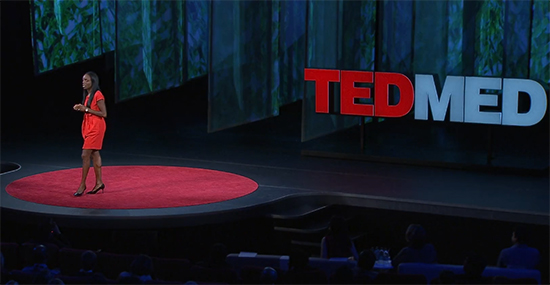
In this excellent 15 minute TED video, paediatrician Nadine Burke Harris outlines how childhood trauma affects health across a lifetime. She starts her talk with the discovery made by the CDC and Kaiser Permanente that exposure to childhood trauma dramatically increased the risk for seven out of ten of the leading causes of death in the US.

It was found that those exposed to very high doses of childhood trauma have triple the lifetime risk of heart disease and lung cancer and a 20 year difference in life expectancy.

Nadine Burke Harris speaks passionately about her experience and the science behind these findings. Nadine-Burke How childhood trauma affects health across a lifetime

Visit an experienced London Osteopath

If you are suffering pain or discomfort and you would like further information on how I may help you or to book an Osteopathy appointment at either of my osteopathy clinics in London W1 and London N2 N10 please feel free to send me a message or call me on 020 8815 0979.


Reports suggest that 8 out of 10 of people will suffer some form of back pain during their lives which would suggest that back pain is more common than most people might think (1).

It is estimated that approximate 5.6 million working days in the UK are lost each year due to back pain. This number is second only to stress. (2 & 3)

Back pain and Osteopathy

As an experienced London Osteopath I treat many patients who are suffering from back pain. These patients can vary in age considerably as back pain can affect anyone. There can be many causes of back pain from sprains or strains or damage to the discs or wear and tear or osteoarthritis.

Some of the back conditions patients visit my osteopathy clinics in London for include:
• Acute back pain
• Chronic back pain
• Some disc problems
• Mechanical back pain
• Sciatica
• Ankylosing spondylitis
• Osteoarthritis

Every patient is different and it goes without saying that I treat every patient based on understanding them as an individual thus ensuring I provide each patient with the highest standard of care.

Depending on the patient’s age, fitness and diagnosis I use a range of gentle manual treatments. Treatment may include gentle manipulation and may include gentle massage. Treatment for back pain may also involve treating other areas of the body such as the neck or hips.

In addition to manual treatment I will offer patients advice on their lifestyle, especially where their activities or habits may be contributing to their back pain. I may also offer advice on posture, diet and exercise.

Visit an experienced London Osteopath in W1 and N2 N10

If you are suffering back pain or discomfort and you would like further information on how I may help you or to book an Osteopathy appointment at either of my osteopathy clinics in London W1 and London N2 N10 please feel free to send me a message or call me on 020 8815 0979.

Research in the field of acupuncture continues on a daily basis. With this research comes a growing body of evidence that helps support the efficacy of acupuncture and to quash past criticism of a lack of medical evidence to support it being an effective form of pain relief.

As a qualified practitioner of Western Acupuncture in London I keep abreast of the latest results from research studies into acupuncture. One such study * has shed light on the fact that acupuncture enhances peripheral blood flow. The study was designed to clarify the mechanisms by which acupuncture exerts its effective actions.

During the study, the researchers measured the ability of acupuncture to induce “significant elevations in peripheral blood flow over the upper and lower limbs during and after acupuncture”. Based on their findings, they concluded that “the results of this study support the theory of Chinese medicine that acupuncture at Zusanli augments systemic gastrointestinal and circulatory functions.”

You can read more about the study and the conclusion of the researchers here.

Visit an experienced London Osteopath in W1 and N2 N10 who offers Western Medical Acupuncture

If you’re considering using Western Acupuncture due to a specific issue or concern you have, I would be happy to discuss your requirements with you and to advise you on the best course of treatment. Please feel free to send me a message or call me on 020 8815 0979.

*Reference:
Yang, Cheng-Chan, Wei-You Zhuang, and Hsien-Tsai Wu. “Assessment of the impact of acupuncture on peripheral blood flow with multi-channel photoplethysmography.” In Electron Devices and Solid-State Circuits (EDSSC), 2014 IEEE International Conference on, pp. 1-2. IEEE, 2014.

Increasingly inactivity and a sedentary lifestyle are being described as “one of the biggest” challenges in health by experts.

On Your Feet Britain …

Get Britain Standing  is a campaign to grow awareness and education of the dangers of sedentary working and sitting more than 4 hours a day. This year it partnered with the British Heart Foundation charity to run a new event called On Your Feet Britain on 24th April. The event hoped to encourage workers to take the opportunity to stand and move around more. It is called on people to embrace ideas such as standing meeting or standing desks.

Some tips to unglue yourself from your desk

As a London osteopath with two busy osteopathy clinics in London W1 and London N2 & N10 I treat many patients who spend a significant amount of their working day glued to their desks.

If you are finding yourself glued to your desk then here are five simple tips that may help you break the habit of sitting for too long periods and to stand up and move around more:
• Eat lunch away from your desk
• Take a break every 30 minutes and stand up and get a drink of water
• Use the stairs instead of the lift
• Walk to a colleague’s desk instead of phoning or emailing
• Stand up when you are on the phone

Visit an experienced London Osteopath in W1 and N2 N10

If you are suffering pain or discomfort and you would like further information on how I may help you or to book an Osteopathy appointment at either of my osteopathy clinic in London W1 and London N2 N10 please feel free to send me a message or call me on 020 8815 0979.