Along with runner’s knee and Achilles tendinitis – shin splints are thought to be one of the most common health injuries runners incur. And, with a world record-breaking 840,318 people having applied to run the London Marathon on Sunday April 27th, it’s a topic that’s worth talking about.

Shin splints – which are often more formally referred to as medial tibial stress syndrome – are a very common overuse injury. The term refers to a pain that occurs in the front or inner parts of your lower legs, along your shinbone.

According to the latest data, shin splints account for around 11% of injuries in male runners and 17% of injuries in female runners. It’s also prevalent in dancers and those who work in the military.

In total, shin splints affect between 13.6% and 20% of runners and contribute to up to 60% of lower limb injuries

What are the symptoms?

If you suffer from shin splints, you’ll most likely have a dull pain, ache or throbbing feeling along the front or inner part of your shinbone. But you might notice a few other symptoms including:

  • A pain that gets worse when you exercise
  • Tenderness to touch
  • In some cases, mild swelling can occur
  • The pain seems to go away when you rest

What is the cause of shin splints?

Shin splints are caused by repetitive stress on your shinbone and the tissues that attach your muscles to the bone.

They occur because you are putting too much stress and strain on your shin bone and the tissues around it.


Why do shin splints occur?

Usually, shin splints flare up because you have overexerted yourself or have pushed your usual exercise limits that little bit further. Generally speaking, you are more likely to get shin splints if you:

  • Have started exercising after not being active for some time
  • Run or jump on hard surfaces
  • Have a poor running technique
  • Are wearing shoes that don’t offer you enough cushioning and support
  • Don’t rest enough between your exercise sessions

How do you get rid of shin splints or prevent them?

In many cases, shin splints can go away with rest. According to the NHS, if you suffer from shin splints you could also try:

  • Wearing trainers that cushion and support your feet properly
  • Building up to the exercise intensity gradually
  • Warming up before any exercise and stretch after exercising
  • Putting an ice pack on your shin for up to 20 minutes every 2 to 3 hours
  • Switching to gentle exercise such as yoga or swimming whilst it is healing
  • Exercising on soft ground, if and when you are feeling better


How osteopathy can help with shin splints

Osteopathic treatment can help to reduce the tension deep in the muscle of the leg.

With more than 30 years’ experience in the industry, I take a holistic approach when it comes to assessing any problem my clients are suffering from. For shin splints, I would look to reduce the tension in the leg muscles and make sure there are no other underlying mechanical problems.

You might be suffering from the pain in the shin, but other predisposing factors  – like your gait or posture – might be the root cause.  Only after a full biomechanical assessment can we come up with a treatment plan.  If left unchecked these pains might develop into something far more serious.

Robin Kiashek has dealt with numerous running injuries – including shin splints. Get in touch if you would like to book a treatment or find out more.

With the two-week Wimbledon tennis championships set to return from 28th June, we thought now would be the perfect time serve up some awareness about the painful condition, Tennis Elbow.

Despite what the name suggests, the condition doesn’t only affect those who wield a tennis racket.  However, it’s believed to affect 10 to 50% of tennis players during their career and up to just under two million people in the UK.


What is Tennis Elbow?

Formally known as lateral epicondylitis – Tennis Elbow causes pain and tenderness on the outside of your elbow. According to the NHS, it can last anywhere between six months and two years. If you are suffering from this condition, you might also have problems:

  • Lifting or bending your arm
  • A burning pain in your elbow
  • When using or holding small objects such as a pen, pencil or your phone
  • When twisting your forearm such as turning a door handle or opening a jar
  • Fully extending your arm
  • Pins & needles or numbness in the forearm

What causes Tennis Elbow?

Tennis Elbow can be caused by overusing the muscles attached to your elbow and used to straighten your wrist.

Any activity that puts repeated stress on the elbow joint cause this painful condition.

So, although this includes tennis players, it can also affect those who play squash, golf, fencing or badminton. Along with professionals such as painters, carpenters, musicians and those who work on an assembly line or on a computer.

How to treat Tennis Elbow?

Robin Kiashek has been a practicing Osteopath for more than 25 years and has treated many people for tennis elbow.

He said: “If you do feel a pain in your elbow, you should stop the activity that is causing the pain until your symptoms improve.

“To ease the pain, sometimes people hold a cold compress on their elbow or a bag of frozen peas wrapped around a tea towel. While others use an elbow strap to project the injured tendon from further strain.

“However, I would suggest coming to see an osteopath initially to obtain an accurate diagnosis and possible causative factors, such as issues with the shoulder and/or hand.  Osteopathic techniques combined with Low Level Laser therapy and/or Acupuncture to the elbow can help in reducing the symptoms, whilst addressing the underlying causative factors.”

How does Osteopathy help with Tennis Elbow?

Osteopaths can treat tennis elbow in using Manual Osteopathic techniques to both the elbow and if necessary, adjacent areas (shoulder, hand).

As confirmed by one study which looked at the power of deep friction massages versus steroid injections in the treatment of tennis elbow: “Deep friction massage is an effective treatment for lateral epicondylitis.”

Robin can also use a combination of Western Acupuncture to relieve the pain and Low Level Laser Therapy (LLLT) to help speed up your body’s natural healing process safety and effectively.

If you are struggling with tennis elbow, get in touch with Robin today to book in for a consultation or treatment. If you are suffering from other ailments, whether it’s neck pain, joint pain or headaches, these are all areas that Osteopathy can help improve.

Optimal Health & Wellbeing

Maintaining optimal health & wellbeing has always important. But never before has there been such a focus on its significance.

“The ongoing coronavirus pandemic has changed all aspects of life – health & wellbeing included,” Osteopath Robin Kiashek said. “The closure of gyms and restrictions on non-essential travel has forced us all to find new health habits.

“At the start of the UK’s first lockdown, we saw a rise in the number of people going for daily walks, the lucky few converted their garages and spare bedrooms into make-shift gyms and there was a boom in virtual workouts in front of our laptops. And to help keep us in check, many people turned to smart tech and fitness apps which can monitor every aspect.”

There’s an App for that

According to the latest stats*, health and fitness apps have seen a ‘steep rise’ in users during the pandemic. Trackable fitness service, Strava now has 73 million users world-wide. Whilst, fitness app Freeletics – which has more than 2 million UK users – saw a 50% increase in its use during the first 2020 lockdown between March and June.

Nowadays there’s an app for everything. You can monitor your sleep with Sleep Cycle, chart your mindfulness with mediation app Headspace and even check your blood oxygen levels with Pulse Oximeter.

But is all this tracking causing more harm than good?


Staying active is always good

It’s a well-known fact that regular exercise brings with it huge benefits. In today’s society where sitting in front of the TV, or working at home from a desk all day has become the norm, being active helps to build and maintain strong muscles.

It can also boost energy levels, increase productivity and promote healthy sleep. Staying active also helps to reduce the risk of injury and diseases such as osteoporosis, diabetes and heart disease.


Positives of health and fitness apps and smart tech

And these health apps and tracking tools can help keep us on the move and off our sofas. That’s because they have the ability to:

  • Help you set achievable goals
  • Track activity levels – like counting your steps
  • Give you a nudge when it’s time to ‘get active’
  • Give you incentives to work harder or push yourself
  • Keep you motivated – some even show you what your other fitness friends have achieved
  • Show you progress over time and give you the stats to back it up
  • Track your heart rate

Robin says: “The ability to track your heartbeat is of course an important measure in health of fitness. Especially with the spotlight that coronavirus ** has placed on achieving better cardio health. However, as with anything, balance is required.”


Health and Fitness – All things in moderation

Recent stats*** revealed by the Office for National Statistics showed how stress and anxiety levels have soared because of the pandemic.

The stats from 2020 showed that 19 million adults in Great Britain reported high levels of anxiety. This was said to be a result of the challenges of home-schooling, work worries and health – in addition to all of life’s other stressors.


The key message to keep in mind

Robin added: “So, instead of focusing on the stats and adding another stressor to your plate, try to focus on the here and now.

“How are you feeling? How does your body feel? Do you feel tired? The key message to keep in mind is that these stats are a far more beneficial tool if you use them alongside your natural intuition. Rather than heading outside because your smart watch says you should, do it because you want to. You are still moving – whether that’s to walk around the block and back or going for a 20-minute run.

“We are all learning to live during this very strange time, so don’t let your apps rule you. Make 2021 the year you take back charge of your health and fitness.”

Osteopath Robin Kiashek has more than 25 years’ experience in the health and wellbeing industry. As a leading osteopath, Robin believes in getting to the root of your problems and restoring, healing and developing the body and mind. Get in touch today to discover how Robin can help.


* https://www.bbc.co.uk/news/technology-55318822

** https://www.hriuk.org/health/your-health/lifestyle/covid-19-and-heart-health

***https://www.ons.gov.uk/peoplepopulationandcommunity/wellbeing/articles/coronavirusandanxietygreatbritain/3april2020to10may2020***https://www.ons.gov.uk/peoplepopulationandcommunity/wellbeing/articles/coronavirusandanxietygreatbritain/3april2020to10may2020

‘What is the difference between an Osteopath and a Chiropractor?’

A frequently asked question for many Osteopaths.

There are a handful of similarities between the two professions, but also differences in terms of their philosophy, patient assessment and the way they treat patients. And it’s useful to understand how each operates when you are considering treatment.

 The philosophy of Osteopaths

Osteopaths deal with the whole body.

They take on a more holistic approach, treating musculoskeletal disorders relating to muscles, ligaments, joints, nerves, cartilage, tendons and the general skeletal system.

They also identify underlying, causative factors.  So, Osteopathy can not only help to heal specific conditions but also work towards improving your overall health.

Osteopaths will consider where the root cause of your problem may be originating.  For example, a patient may be suffering with facial pain, but this could be stemming from a problem in their neck.  Which is, in turn, related to the function of the upper back, which is dependent to some extent on the biomechanics of their lower back. And their lower back is linked to the pelvic area – so they could be suffering with possible issues in their knees or feet.

Osteopath Robin Kiashek, who has more than 25 years’ experience said: “To help my patients understand the difference, I encourage them to think about house subsidence. London’s housing stock is built on clay, and during the hot summer months it is not uncommon to find the older properties developing cracks in the upper floors. One option is to fill in the cracks every year. But the problem is to do with ground movement below the house.

“Therefore, to solve the problem once and for all, Osteopaths generally address those underlying factors. In other words, they will, of course, fill in the cracks. But they will also address the movement below the house.”

The philosophy of Chiropractors

Chiropractors primarily focus on the spine.

Generally speaking, Chiropractors believe that spinal misalignment is the root cause of their patient’s back symptoms. The spinal cord is simply an extension of the brain, and according to chiropractic belief, slight misalignment of a vertebra will affect the spinal nerves coming off the spinal cord.

Chiropractors believe that manipulation of the displaced vertebra, will address the spinal nerve compression and hence associated muscle or organ involvement.

Assessment with Osteopaths

At the initial consultation, Osteopaths will take a case history of the patient’s problem. This is followed by a physical examination during which they will ask the patient to undergo various movements in a bid to reproduce their symptoms.

The Osteopath will use a combination of visual analysis and touch (or palpation) to understand the problem at hand. They may also use orthopaedic tests and occasionally refer for further x-ray or MRI investigation to help form a diagnosis.

Once a diagnosis has been reached, an Osteopath will give the patient a full explanation and a treatment plan. A treatment will be included in the initial Osteopathic consultation, assuming it is safe to do so.

The treatment plan will let the patient know what aggravating factors to avoid and will include lifestyle advice to help them do so.

Assessment with a Chiropractor

At a Chiropractor’s initial consultation, they will usually come to diagnosis from the use of x-rays, focussing largely on the spinal integrity. On the second visit, the patient will be informed of the Chiropractor’s diagnosis and on the third visit, treatment will commence.

Treatment: what to expect with an Osteopath

After the initial consultation, treatment will begin, and most Osteopaths will then see patient once a week for half an hour.

Treatments may include gentle soft tissue release through massage, joint mobilisation and gentle conservative spinal manipulation. In addition, Robin Kiashek may use a range of allied therapies including Western Medical Acupuncture and Low Level Laser Therapy.

Treatment: what to expect with a Chiropractor

Chiropractors are more well known for focusing on the spinal adjustments or clicking which may not be as gentle as Osteopathic treatment. The Chiropractor will focus primarily on the lower and upper back and neck.

Chiropractors tend to see their patients ‘little and often’. Treatments themselves normally last around 15 minutes. But they may see their patients two to three times a week.

A final word from Robin

Robin added: “In addition to the difference between Osteopathy and Chiropractic outlined above, it’s important to remember that each Osteopath and Chiropractor will practice in their own unique way.  They may have particular specialisms or areas of interest.  So, don’t’ be afraid to do your research – practitioners will be more than happy to answer your questions.”

If you are in pain or have any questions about how Osteopath, Robin Kiashek, could be of benefit,  then please get in touch. Osteopaths are deemed as essential workers. Therefore, they can continue to treat patients through lockdown and patients are permitted to seek medical help. Robin Kiashek is fully compliant with Government regulations re PPE.


Cats stretching out Robin Kiashek osteopathic clinics

Observe any cat and the chances are that they are sleeping, stretching or grooming. Cats really know how to look after number 1, ensuring

that their basic needs are met by their owners while treating themselves to plenty of R&R and time off to spruce up and look wonderful for every occasion! So, in honour of International Cat Day (on 8th August), let’s give it up for the world’s favourite pet.

Health-boosting benefits of owning a cat

While it may seem as if cats have got it all their own way it is, in fact, a two-way street. Research shows that the animals have a positive impact on the 1 cardiac health, of their owners and taking a quick catnap during the day can improve creativity, focus and productivity. Our feline friends can also help alleviate 2 stress, anxiety and depression – and teach us a lot about how to relax and live the good life.

Live like a cat

Sleeping – cats sleep between 12 and 16 hours a day, more than most other mammals and twice as much as humans, reports the University of Arizona’s Rubin Naiman in the Huffington Post. Because cats have few predators, they can sleep safely in the knowledge that they’re unlikely to be hunted while they’re dozing. We might not be able to sleep for as long as a cat but we can improve our own sleep by:

  • switching off electronic devices at least 30 minutes before settling down
  • getting comfortable in bed, with supportive mattress and pillows, and enough covers
  • Maintaining an ambient temperature and level of darkness in the bedroom

Being active – you may think that your cat spends most of its time napping and you’d be right. But when cats move – playing or stalking prey, for example – they can be surprisingly speedy, leaping and pouncing with great strength and agility. We all know the benefits of regular exercise to the human body – weight control, flexibility, cardiovascular and other health and boosting mood to name just a few:

  • Opt for at least 30 minutes’ five days a week, or more if you can manage it safely
  • Limit sitting time by taking regular breaks if you work at a desk or getting up and putting the kettle during TV ad breaks at home, for example
  • Build a healthy exercise habit scheduling in regular exercise and remembering to warm up beforehand and cool down afterwards

Me time – no animal is better at taking time out for themselves, whether this involves resting, playing or grooming. We can do a lot to keep stress at bay by emulating their ‘so what’ attitude (within reason, of course), and grabbing some R&R by:

  • Pursuing a hobby
  • Going out with friends
  • Reading a book or watching your favourite show (remembering to get up during the ad breaks)

Stretching – cats stretch every time they wake up from sleep, which is often! As well as feeling good, the act of stretching loosens and realigns muscles, readying the cat for activity. It stimulates alertness by increasing blood flow to the muscles and brain. It also gets the lymph circulation on the shift, flushing out waste and toxins, including carbon dioxide and lactic acid. Stretching does much the same for humans. Over time, it also reduces tension, improves posture, strengthens and improves the flexibility of muscles (benefiting the joints) and enhances the body’s range of motion.

Safe stretching (for humans)

  • Stretch on both sides of the body to keep things even
  • Hold each stretch for about 30 seconds – and don’t bounce!
  • Keep breathing – breathe out when going into a stretch and hold this while you inhale
  • Focus on each of the different muscle groups in turn – working your way through the shoulders, neck, calves, thighs, hips, arms and the lower back

If you’re still feeling stiff and strained in your neck, arms or lower body do get in touch to see how osteopathy can help release the tension and relieve tight, inflexible muscles and bad posture.


  1. University of Minnesota’s Stroke Institute’s 10-year study of over 4,000 Americans, 2008.
  2. A study by the State University of New York reported in the journal Psychosomatic Medicine (September/October 2002).

Eat healthy and pile on the pounds says London Osteopath Robin KiashekLack of easy to access credible information about nutrition and diet, often leads to people who want to eat well seeking ‘healthier’ options, but in actual fact they end up piling on the pounds. There are a lot of issue here, from food labelling and position of goods in the supermarkets, to advertising and a general yet widespread lack of health and fitness education. With Osteopathy in North London as a focus for my clinics, I come across a fair amount of people who think part of their diet is good for them, when in actual fact the opposite is true.
Here’s a list of things that we all consume that you may think would form part of a healthy option, but in actual fact, they’re the reverse…

Health Drinks

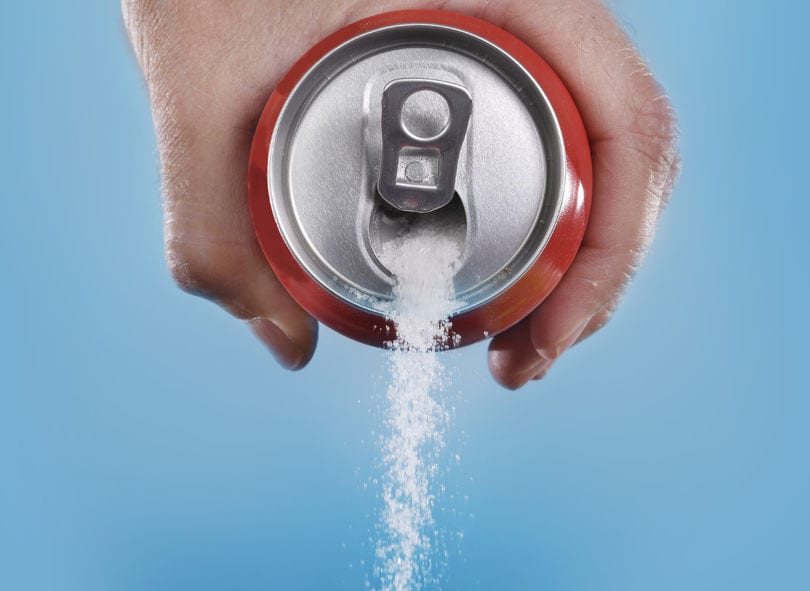
A trend that started with very calorific glucose drinks, there are lots of health and energy drinks on the market today. These drinks are often crammed with vitamins, pro-biotic and even fibre, but when it comes to helping weight loss, they fall well short of the mark. Some flavoured water drinks can contain a cup of sugar in them! Also, recent studies have linked drinks containing artificial sweeteners with vascular issues and even increases in metabolic syndrome. To avoid all of that, stick to water!

Coconut Water

Low in calories, natural fat and cholesterol free, more potassium than four bananas and super hydrating, no wonder a lot of dieters are looking to coconut water to form a part of their diet. However, this natural form of water isn’t calorie free. In fact, a large glass of coconut water will have as much calories in it as the same amount of lager or a fizzy soft drink, so it can’t be used in large quantities to quench thirst without adding significant calories to the daily allowance.

Smoothies

Some fruit smoothie concoctions can have as much as 1000 calories in them due to the condensed portions of fruit, vegetables, and added simple sugars and syrups. By blitzing large numbers of fruits and vegetables together and drinking them quickly, the calories really load up and can put on weight rather than help you lose weight.

Health bars

Many energy, fibre and protein bars are not that far away from the calorific value of a chocolate bar. Marketing tells us these are a healthy choice, high in fibre or protein, but if you think the calories are lower, think again.

Frozen Yogurt

Frozen yogurt seems so much healthier than ice cream and when you look at the food from a saturated fat point of view, it is. However, in terms of calories and simple sugars, there really isn’t all that much different. Certainly not a healthy choice…

Fat-Free Sweets

Fat-free sweets can be quite deceiving. People automatically think that fat-free means calorie-free, but is doesn’t. In most cases, sugar replaces the fat and the calorie count will remain high.

Granola

A popular breakfast cereal, Granola is laden with fats and sugars and therefore with large amounts of calories. Add to that the milk and the size of the portions to gain satisfaction and up to half of the average recommended calorie intake for an entire day could have gone in five minutes at breakfast!

[row]
[column md=”6″]

The AsapScience video below is quite fun and I think true. This clever presentation looks at some of the miscomprehensions about some foods and diets that we all assume are true. The basic premise that everything is made of chemicals and things that we assume are good for us, actually contain some of the same natural chemicals that in other foods we think are bad for us.

The title of this post, why detox is a marketing myth, is taken from the presentation, as I think it’s a clever line to use and actually it does, in this context, ring true. How can you truly detox when the range and amounts of natural and man-made chemical compounds exist in everything that we consume. There’s another line which states that ‘everything is poison at a high-enough dose’, which is also true if you think about it in terms of moderation. Too much of anything that you consume will have some sort of negative effect to the body’s balance. In truth, we all need a little of everything, including natural toxins, to attain a balanced diet and lead a healthy life.

The video is fun and makes some interesting points, however, as an Osteopath in North London I think the overriding message that I get is that education and knowledge about what we eat is very low and if that knowledge was more general and easier to understand, that would be a small but significant step in the improvement of health and most certainly would provide an elements of weaponry in the fight against obesity.

Check out the video yourself and see what you think…
[/column]
[column md=”6″]

[/column]
[/row]

As an Osteopath in London treating patients who are suffering with some form of pain, I am always interested in research into pain management and keeping across approaches to pain recovery.

SIRPA, which stands for Stress Illness Recovery Practictioners Association, is an organistaion that has a mission to engage health professionals and train them in an approach to chronic pain recovery to help shift their patients from living with pain to living without it.

SIRPA have produced an interesting report that covers ‘5 Things Your GP Won’t Have Told You About Chronic Pain’ that can be downloaded from their website.

What is chronic pain?

Simply put chronic pain is any pain in your body that has lasted more than around 12 weeks. It can last for months and years. It can often start after suffering from an initial injury such as back spasm or ankle sprain and then continue from there. However a lot of the time the pain can be unexplained and could be because of posture problems or poor sleeping habits.

5 things your GP won’t have told you about chronic pain

SIRPA have outlined 5 major differences in their approach to chronic pain and that of current mainstream medicine.

These differences support SIRPA’s position that once physically damaging conditions such as cancer and autoimmune diseases have been ruled out that most causes of persistent or recurrent pain are not caused by something being wrong with the part of the body that hurts, rather by the brain.

In summary,  SIRPA highlights the following 5 points about pain

  1. Fear of pain and causing further damage can result in pain increasing
  2. A belief that there must be a physical cause for a pain often results in critical underlying factors being missed
  1. Pain can be triggered by the brain despite there being no physical trauma
  1. A patient’s belief that their pain is due to a physical cause often leads to their pain being ‘managed’ with full resolution being less likely
  1. SIRPA recognises that although chronic pain is a result of physiological changes that occur after the emotional brain is triggered by emotions, this is an unconscious and automatic response.

If you are suffering pain or discomfort and you would like further information on how I may help you or to book an Osteopathy appointment at one of my osteopathy clinics in London please feel free to send me a message or call me on 020 8815 0979.


Being an experienced osteopath in London a common questions I get asked is “what’s the difference between osteopathy and chiropractic treatment?”

An Osteopath in London explains the difference between (classical) osteopathy and (classical) chiropractic

The answer isn’t necessarily a simple one. There are as many similarities as there are differences between the two professions. There are not only differences between the professions but equally between practitioners of the same profession.

For example in osteopathy you have differences between classical osteopathy versus ‘cranial’ osteopathy and in chiropractic you have differences between classical chiropractic versus McTimoney chiropractic.

That being said there are differences between the two methods which are more to do with the underlying philosophical approach rather than which particular techniques are applied during treatment.

When it comes to diagnosis, chiropractors, will focus mostly on spinal integrity and will use x-rays of the spine to form a diagnosis. Osteopaths will use palpation (touch) of soft tissues (muscles, ligaments and tendons) and spinal positioning in conjunction with overall postural balance to form a diagnosis.

In the main, chiropractors work mainly on the spine. Osteopaths work on the spine and also on the whole body including peripheral joints.

When it comes to treatment chiropractors use more manipulative techniques whilst osteopaths may use manipulation in conjunction with soft tissue and mobilisation (stretching of joints) techniques. In my treatments I take into account the patient’s background, both physically and emotionally, which may then warrant the use of other approaches, such as Western Acupuncture, Low Level Laser Therapy and when appropriate, Nutritional advice and/or NLP and/or relaxation techniques.

If you are suffering pain or discomfort and you would like further information on how I may help you or to book an Osteopathy appointment at one of my osteopathy clinics in London please feel free to send me a message or call me on 020 8815 0979.


A recent study undertaken at Cambridge University found that a lack of exercise kills twice as many people as obesity. The study of 334,000 people found that a persons life could be prolonged by taking a modest amount of activity. It also indicated that the people who would gain the most would be the least fit.

The study is a stark reminder of the impact that an increasing sedentary lifestyle is having on people’s lives.

While the study found that taking a twenty minute walk a day would cut the risk of premature death by almost a third, Ulf Ekelund, who led the study believes that we should be looking to do more than this.

The most recent Government guidelines advises Britons to take 150 minutes of exercise or ‘moderate activity’ every week or 75 minutes of vigorous exercise. Moderate activities include such things as taking a brisk walk, gardening and dancing are included in this group  while vigorous exercise would   include playing sport, running or aerobics.Unfortunately in another survey it was found that a third of people can’t even manage to walk for 30 minutes over 7 days.

Take a walk in North London …

As an experienced North London osteopath I treat patients who are suffering pain and discomfort often brought on by their lifestyle.

Exercise can have so many beneficial effects on our health and wellbeing, so it is important to tale time out to fit it into our busy schedules.

All you have to do is take a brief walk. We are very fortunate in North London to have many places to get out and about in our local area. Just on our doorstep in Muswel Hill is Alexandra Palace. The Park is conveniently located to the surrounding areas including East Finchley and down the road we have Hampstead Heath.

So go ahead and take a walk, all you need is a 20 minute walk a day and you will improve the quality of your life.

If you are suffering pain or discomfort and you would like further information on how I may help you or to book an Osteopathy appointment at my osteopathy clinic in North London please feel free to send me a message or call me on 020 8815 0979. I also have a clinic in Central London should this be more convenient for you.